Because Your Voice Matters!
It should come as no surprise that the people running for office, hope to secure that office. With that, once secured, keeping the office becomes the priority. It is rare for those individuals to communicate to voters that they will only be staying one term or two at the most. Political power is intoxicating to most and their time in office is more about what they can gain over what is best for the people who elected them in the first place.
Case in point, California Governor, Gavin Newson. His rise in politics in the Golden State is noteworthy. With only a few months left in his rule and reign, the good people of the state can exercise a well-deserved sigh of relief that he will no longer be in charge. His impact and harm to the state is well known by those of us living here with the highest taxes, highest healthcare costs, highest fuel prices, and highest utility and housing costs in the nation. Affordability is not a term that he or his colleagues on the blue team are familiar with in California.
It is rare for Governor Newsom to hold a press conference, let alone take questions from reporters while in his term in office. He has employed, at taxpayer expense, a team of 24 people on his press and communications team for a $2.6 million cost annually. These people work 24/7 to curate his message and political desire for the presidency, once again, at the cost of taxpayers. Mr. Newson has invested greatly in his political desires on the backs of families struggling to make ends meet.
What’s true is that with each election we see fewer eligible voters participating in the process. We have leaders like Mr. Newsom because apathy is more present than a belief in every voice matters. Elections have consequences, and with voting happening in California now through November 3, 2026, your participation is not only desired but also needed. Voting is a privilege and may we each feel the honor of our participation.
Never Alone!

It has been fascinating and fun to be in conversation with leaders on a range of topics. These have challenged my thinking, made we rethink personal norms, and help calibrate my future conversations of encouragement and sharing insight. We all have a desire to be effective with our time, be kind and encouraging to our fellow team members, and be in jobs that directly tie to impact and organizational achievement.
A factor that is an element in reaching our promise and potential is the time we seek feedback, mentorship, and wisdom from those who have gone before. I understand the passion and tenacity of independence and wanting to forge a path and develop a personal brand in my youthful professional pursuits. What I found exhilarating was also the undiscovered country of loneliness in the leadership role.
I needed an outlet of support from people and professionals that walked the road before me to give me perspective and feedback. No leader is ever alone and the ones that seek encouragement and support are the ones that discover that truth. Having a coach or a mentor speaks to a leader’s willingness to open themselves up to improvement and self-awareness that having wisdom and experience on tap is of great benefit.
The best coaches and mentors I have worked with never needed public exposure. They are helping you shine and their satisfaction comes from watching you rise. Never be shy as a leader in seeking feedback and conversations that challenge your thinking. Achieving your personal best in the leadership role can be attributed to a coach or mentor relationship.
What you do well, and where you choose to improve, is all up to you. Asking for help is not a weakness; it is a strength because you are leveraging the experience of others to benefit yourself and the business and organization you love.
Be the Joy You Want to See in Others!

I was shopping this week and as I made my payment to close the transaction, the clerk surprised me with his statement, “I like your style. Enjoy the rest of your day.” This was a first for me, so my reaction in my head was one of being stunned and I wished him a great day too and left the store. His comment resonated with me as very kind. What followed next was my stop at a popular grocery store for some items that I needed for a dinner that I would be preparing. When I walked up to the check-out stand, I addressed the clerk with a traditional greeting I use often.
“What’s bringing you joy today?” as I placed my items on the conveyor belt. She looked at me and a few uncomfortable seconds of silence spilled out between us. She then responded that she had just started a shift and her tone of voice was a strong indicator that she was annoyed. I followed up with, ‘Well, I am hopeful that I am one of the customers that will bring you joy today.” With no response, she did her job in scanning my items, filled my bags, and handed me a receipt after the transaction was processed with my credit card.
What didn’t happen was me hearing a kind statement of thanks or appreciation from her at the end of our time together. Actually, there was no response. It highlighted for me just how special I was treated 45 minutes earlier by another clerk. And there we have the difference; great attitude, positive mindset, and the execution of the customer service experience we want in each of our businesses. When customer service is failing, so is your business.
Now, did I leave without saying something to the grocery store clerk? Nope. I placed my bags in the cart, and I prepared to push away, I looked at her and said, “We all have bad days. I am hopeful that as yours continues to unfold that you are reminded of just how special and important you are to the operation of this store. Thank you!”
As I like to remind myself often, “Cameron, you are responsible for your little piece of the world, so make it a better place.” Don’t let someone else’s mood overshadow you doing the right thing in the moment. Sometimes you must be what you want to see in others.
Control and Insecurity: The Seeds of Micromanagement

Micromanaging means controlling every aspect of a situation, project, or task with excessive attention to small details and little trust in others.
Now, for those of you in class today, raise your hand if you like to micromanage? Now, those who have been micromanaged? Let’s just giggle thinking about the number of hands raised in each scenario. 😊
It’s a sad reality that some leaders don’t necessarily like to micromanage as the effort to control every aspect of anything is exhausting. This points to a leader’s lack of trust in the team and an overall sense of insecurity they carry. What we need leaders to do is to trust team members until given a reason not to.
When projects and priorities are sidelined, a leader should ask about timelines, goal achievement, and obstacles to securing a win for the individual, department, or organization. That is not micromanagement, that is leadership with accountability. A healthy leader will maintain an appropriate distance so that individuals and groups of team members learn the value of exercising their skill set as professionals. That protects them from the backlash of a leader's insecurity or micromanaging efforts altogether.
A leader with micromanaging tendencies can channel those efforts for good to focus on things that truly matter to them leading the organization. A leader should not task themselves with all levels of the organization as their involvement can stifle innovation, timeliness in completing projects, and the generous creativity of the team.
As an example, I took a desire to micromanage and focused on three areas.
- Marketing: I care deeply about the community message, branding, and graphics of the organization.
- Messaging: I care deeply about what is said and shared with employees and the community.
- Board Reports: As a CEO, with my boss being the Board of Directors, I deeply care about their meeting preparation, the information provided to each member, and the successful execution of each of their meetings.
I learned that channeling a desire to be thorough would serve me well when I focused on areas that I could control appropriately.
Micromanagement needs to be seen for what it is and the negative impact it has on individuals, departments, and organizations. If you are tired of micromanaging, you have two options: stay exhausted and frustrated at the employee turnover you are causing. Or recognize you are the problem and clearly communicate what you need from those doing the work and stay at a healthy distance, so the team is allowed to succeed.
I get for some that standing back will be uncomfortable and foreign to understand. Remember, your leadership is about helping others secure their best. How is that possible when you are only focused on you, your control, and your insecurity?
Leadership: Lonely & Never Alone

L to R: Cameron, Terri, Jennifer, Gina, Mary, and Kathleen.
This group of leaders have been meeting for years to discuss leadership, school models, and operations. This group had also been encouraging one another in the hardship that leadership brings and through seasons of personal trials. Be reminded, leadership can be lonely, and with great colleagues, you’re never alone. 💚
Blind Spots: A Leader’s Obligation to Address

Illustration: Getty Image
Every leader has a blind spot or two. When they are revealed, a leader has a choice to work to eliminate them while acknowledging to his or her team the shortfall to ensure that behaviors are being addressed and corrected. When the leader knows their blind spots, and refuses to address them, the workplace culture and his or her impact is jeopardized because uncorrected negative behaviors limit opportunities and success.
Common leadership blind spots include:
Leading up well, leading down poorly: Impressing senior management or a board of directors while contributing to team silence, high turnover, or ignoring direct report needs.
I got this on my own: Refusing to ask for help or relying on an "I know" attitude that alienates other team members and ignores their insights and contributions.
Hitting goals while hurting the team: Driving an unsustainable pace that breeds hidden burnout and resentment within the team.
Conflict avoidance: Dodging tough conversations or feedback loops until minor issues turn into major crises.
Micromanagement: Failing to trust or delegate properly, which eliminates team ownership while feeding a sense escalating mistrust in the workplace culture.
When any of these behaviors are in play, a leader is harming and not helping the organization and his or her team of employees.
The goal of leadership is to harness the collective skills and talents of the team to ensure organizational success is captured and a sustainable positive impact is secured. A leader’s blind spots prohibit that effort and contribute to employee turnover, a compromised workplace culture, reduced commitment to team’s productivity, and an overall casual sense of care for the mission, vision, and values of the organization by everyone.
Three ways to address the leader’s blind spots:
Participate in a 360-review process where all segments of the business provide feedback to the leader. Those results are reviewed, a summary shared with other leaders in the organization, and a plan to address feedback is followed to seek improvement.
On going, a leader should be seeking feedback from his or her leadership team to ensure that more than lip service is being paid to the improvement plan. It is important to acknowledge what has changed, what improvements have been made, and what is yet to be accomplished.
Another way to eliminate a blind spot is to ensure that hiring of future team members have specific skills that counterbalance the leader’s shortfalls. This strengthens the leadership team and shores up when support is needed within the organization.
Just be aware that when we address behaviors early on, we limit the negative impact on the team and the organization. Unchecked behaviors do not change without intentional efforts and when brought to your attention as a leader, you are better off welcoming the feedback than denying the opportunity to address your shortfalls. Just remember, your ego often lies and when you are told the truth by a trusted colleague embrace those times to do and be better.
You owe it to your team and yourself to address your blind spots. That is an obligation that makes the work of leadership one of personal passion with a reflection on attributes that need improvement. Perfection is not possible. Ongoing efforts to address your shortfalls is within your control and is worth your time and effort.
Artificial Intelligence

In my last few years in educational leadership, we started the discussion around artificial intelligence (AI) and the potential and perceived drawbacks of the technology in the TK-12th grade setting.
Now, a few years later I am not surprised to see school districts rethinking screen time for students, limiting AI by grade levels, government officials delaying the implementation of guardrails, and technology executives coming forward to confess the pending danger of this unbridled technology.
Unfortunately, I am hearing from parents that are experiencing their high school students using AI tools to do a multitude of tasks while seeing their students substituting their own thinking and problem-solving skills in the process. AI has opened the door to obtaining quick answers and analysis from a depth of information collated and disseminated from a database of common knowledge. What is needed for a student using AI is the ability to verify and validate information given from AI to ensure its accuracy.
With AI already impacting our lives in the ads we are seeing, the music we are hearing, and the images being shared on social media, there are other implications at play that escape our naked eye. Most likely we would all be surprised if the veil was pulled back on what is happening currently with all aspects of AI.
Technology has improved our lives, opened better access to information, and brought us the worlds collective knowledge base into our hands like access to the internet. It has also infringed upon our rights and has magnified negative aspects with online bullying, pornography, fraud, and criminal behavior just to name a few. There will always be an underbelly of negative potential to any innovation or new technology.
With the continued growth of AI, I predict we will continue to see benefits, drawbacks, and a push to harness the technology for good. At that same time, we will witness bad actors utilizing this innovation for personal profit and to harm this country and others. Having states, the national government, and world leaders sitting back during this pioneering period should concern us all. There is no closing the door; the monkey is already out of the cage.
Let’s just say, I have watched all the Planet of the Apes films, and it doesn’t end well for us all. The time for action is behind us and the longer we wait, the more difficult it will be to curb, change course, or curtail the implications and actions of AI. Now, get back to your AI apps; they miss you already and desire more of your interaction.
Leadership & Humility
Being confident, driven, and goal oriented are good attributes to leadership. Being arrogant, short-tempered, and ego-driven are toxic elements that undermine one’s leadership. A key component of the best leaders is their humility.
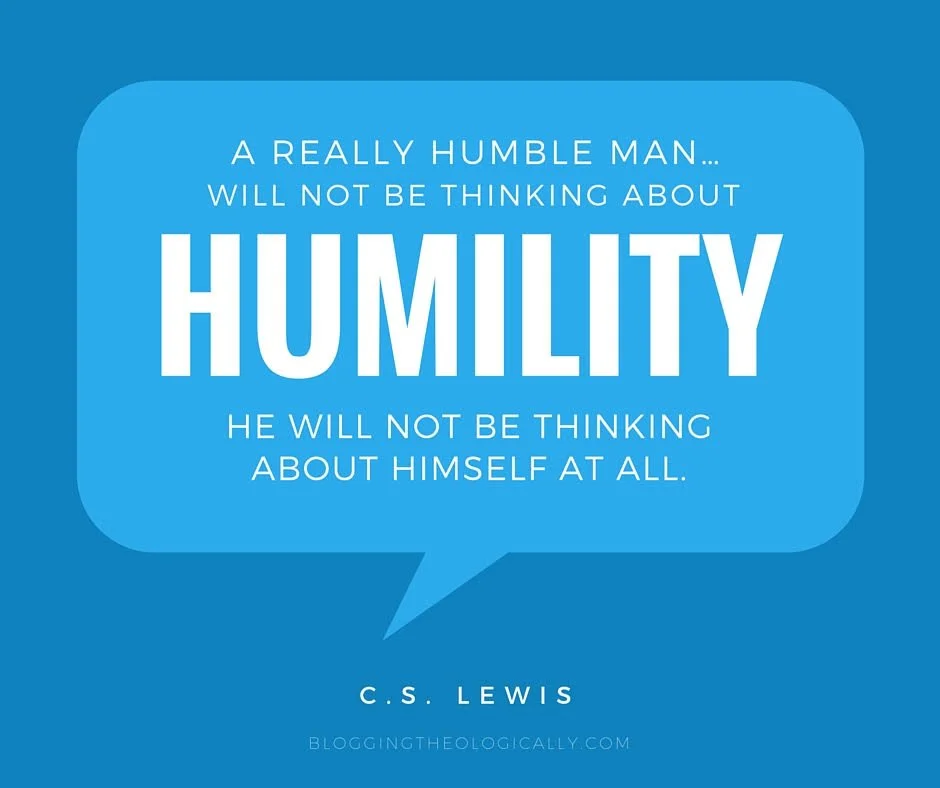
When leaders spend their time in the cultivation and elevation of others on the team, there is less time to think about yourself, and your ego is checked at the door each morning. Author C.S. Lewis, captures the essence of humility in his Screwtape Letters, writing: “By this virtue, as by all others, [God] wants to turn [our] attention away from self to Him and [to our] neighbors.” For Lewis, humility is not a matter of thinking less of ourselves — but less about ourselves - forgetting ourselves and turning outward in love.
When you think about your own leadership, in the role you are playing in the lives of your team, how are you doing on the humility front?
How is humility present in your daily interactions that lessen you and elevate the best in others?
What’s true is that having a humble leader investing in their team on a consistent basis underpins a healthy workplace culture benefiting everyone. Humility is a leadership strength that proves when ego and self-interest are set aside, teamwork and collegial professionalism thrive in a workplace that values the interest, talent, and input of others.
Are you that humble leader? If so, how fortunate is your team to have humility exemplified daily in the workplace.
Leadership Pants

New Week – New Encouragement
My mother used to say, “We all put our pants on the same way: one leg at a time.” It’s a reminder that to be brilliant at the basics, all you have to do is slide them on, zip them up, and don’t forget the button. For leaders, if you forget basic details like how to treat people well, what your mission is, or what goals you must achieve, you are failing. That failure isn’t critical any given day; however, collectively, it adds up. What you value is seen by others and impacts your success in the role.
When leaders start each day with an intentional “I” statement, spoken out loud, they challenged themselves to rise to what is happening on any given day. For me, that statement is, “Who am I going to serve today and how can I make my small piece of the world a better place?” It’s my “putting my pants on” moment as I start each day. I may not feel like contributing when I get up, yet my actions override my feelings as I am setting myself up for success by establishing a habit that underpins my desire to be a leader of intentional impact.
As you start this week, establish some new habits, lean into the positive attributes that define you as a leader, and encourage others on your team to do the same. When we all start from a place of wanting to make a positive difference, we increase the chances that collectively we will secure some wins this week. Put on your pants (leadership attributes) don’t forget the details (zipper and buttons) and stay brilliant at the basics. We want our team to see us fully equipped to capture the success before us so remember that details matter and being brilliant is a choice we make daily.
Acceptance is Part of Change
I have enjoyed a varied career and a few years ago I shared with my team a chart of the many places I had worked over the years. I had enjoyed working for a company for a few years and when I ran into a rule or an element that did not align with what I valued, I moved on. Later, when I helped start a company, I ran into something I had not experienced: people requesting the company to change versus adapting to what the company was offering.
My thinking and approach to work and career were being challenged, and members of the workforce were turning the workplace culture on its head in the process. Yes, I do enjoy taking feedback and input from the team. Yet, there must be an acceptance and appreciation for who the company or organization is to begin with. To simply ask the business to change to meet the needs of individual employees is unreasonable and not possible.
I am a leader who solicits and encourages feedback to improve systems, policies, and procedures. I have always viewed the collective team as smarter than any one member, including myself. I know that in a group of employees, some of the best ideas are still waiting to be discussed and implemented. When we work together, the potential for new ideas and improvements is merely weeks, not months, away from implementation.
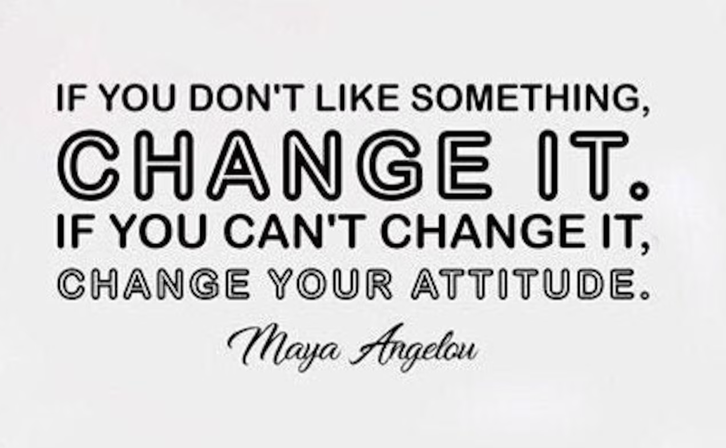
I like to remember the words of the poet, Maya Angelou. “If you don’t like something, change it. If you can’t change it, change your attitude.” She nicely incapsulates the concept that working for change is possible. However, what you cannot change, you need to accept. For me that acceptance was knowing that I did not ask a business to change to meet me or my demands; that seemed to level up to a higher plain of narcissism which is toxic in any workplace.
My encouragement as a leader is to solicit feedback and ideas and make changes when and where possible. Also, in the process define what is possible to set the parameters so that team members know the boundaries and have appropriate expectations that elements of the business or organization can improve and other elements will not change. Do not expect your team to know what you do not effectively communicate.
Leadership Requires Owning Decisions

I am fortunate in my work with leaders to be the one listening in the room. I like to understand the issue and then press in with key questions. Coming in a telling a leader what to do is never the goal. I am there to remind, encourage, and allow the leader to recognize and act upon what they probably knew in the first place.
I know that in the work of leading an organization you have multiple voices coming at you weekly and you will be criticized no matter your action or decision. The point of leadership is to be the voice in the room pushing the group forward to achieve the goal or success desired.
Even in the most harrowing situations, we need a leader to do the right thing; even when it is not clear. Sometimes the right thing is just deciding and turning the page. You will know with time and distance that the decision made was either right or needs another review. Either way, leading doesn't always come with a lit path or a sign over the door indicating this is the way forward.
Take what you know, involve the team when appropriate, and make decisions that honor the goals stated, the mission defined, and the people you are there to serve. You don't get clarity some days and your intuition is the guide to do what is best; trust it and move forward. Not acting is worse than correcting a decision later.
Inaction in leadership is just disguised as desiring 100% team approval, fear of failure, or being tethered to your own self-doubt. Break the chain by owning your decisions while letting time and space prove your ability to lead well.
The best leaders…
The best leaders are never thinking about personal praise. They are consumed with ensuring those on their teams doing great work are acknowledged and given opportunities to continually shine.
I would rather work for a leader focused on my success, and that of the team, then someone self-absorbed and ego driven. One is available and present where another is too busy climbing their own ladder.
Choose wisely as a leader who you want to be because in the end what you do for others is more important than what you do for yourself. 💚
Delaying Implementation Isn’t Always the Best Idea
I found myself on a six-hour train ride today from the Boston area to the Philadelphia area. This provided me an opportunity to get into a deep conversation with a gentleman next to me. We exchange pleasantries and then discussed our careers and current work. When he learned that I am helping leaders with coaching and strategic initiatives, he asked for my opinion on an initiative he was hoping to start.
After hearing him describe with multiple details, his plan, the challenges, and the pitfalls, I had one question. “Why is now the right time to launch this initiative?”
He went on to detail the number of stops and starts, the delays and missteps, and how he felt what he had learned along the way about his team and himself, it was time to launch. As a caveat, he shared that the bigger change needed couldn’t happen because the investment needed in time and effort would be substantial and now was not the time for that to happen.
“Interesting. What is really needed cannot happen so doing something in the short term may be the Band-Aid needed and not the complete overhaul required.” He was amused by my candor.
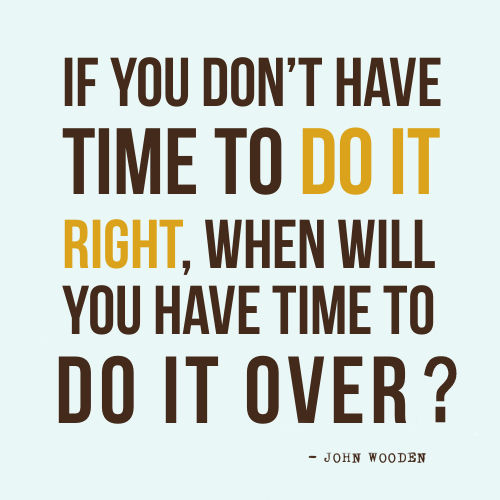
I went on to challenge his thinking, encouraged him to remember that if he did not have the time now, would he have the time later to do the work necessary in the first place to secure the solution his business needed.
It’s a reminder that in leadership, short term solutions do not necessarily guarantee long-term gains. Consider all your options, stay brave in your leadership choices, and strategically move your business in the direction that secures its longevity and sustainability.
Those brave choices may include a fundamental shift that needs to happen now because delaying implementation isn’t saving you time or money; it’s costing you everything.
Reward the Behavior You Want to See in Everyone

I am traveling this week and had a great conversation with a business leader in another state. They had contacted me and wanted my advice, and I was happy to meet with them to discuss their issue and to provide some feedback. What unfolded didn’t surprise me; it was another story of a leader struggling with employees not taking responsibility for their poor behavior, while blaming others for failures within teams and departments.
“How do I turn this around?” It’s all about the workplace culture.
When leaders establish, and daily maintain a workplace culture, they limit the rise of poor employee behavior or the spread of negativity. When that leader collectively shares that responsibility with everyone on the team, everyone becomes part of the daily maintenance of the workplace culture. That shared burden, with a focus on doing what is right individually is lighter and more manageable.
When the idea of “we are responsible” comes into play, the need to assign blame, shift responsibility to others, or avoid personal accountability fall by the wayside. All means all – and all employees hold the weight and responsibility of the workplace culture. When it is good, we can take credit. When it is great, it is a daily benefit of working in a particular company. When it is toxic, everyone pays a price. That price is too high knowing it does not have to be this way.
Here are three ways to change or move to better the workplace culture.
Leadership commitment in owning the current workplace culture in a public way. Inform the entire workforce that you see what has happened, you are not supportive of negativity, and that you are working to change the workplace culture starting today. You cannot change what you do not acknowledge.
Leaders and employees will be held accountable for personal behavior that does not support a positive workplace culture. Human Resources, in tandem with established workplace protocols, will address individuals to ensure that when lines are crossed, accountability is given followed by written documentation to promote change. You cannot expect change without holding people accountable.
Every company meeting, team communication, or formal conversations within departments should come with reminders of what is valued in the workplace. Every employee should have an awareness of company values and be acknowledged when doing something right. Spend more time on elevating what people are doing well so that others recognize the behavior leaders value in the workplace.
The big takeaway here is threefold: inform, hold accountable, and elevate those doing it well. A workplace culture is only as strong as the trust it is balanced upon. When leaders fail in establishing the norms, holding people accountable, and rewarding the behavior they want to see within the team, it is only a matter of time before a toxic workplace is added to the list of companies we know are not great places to be.
Need help with your workplace culture or support with other business needs? Let me know so that we can connect and improve your leadership practice and your business in the process.
Seen, Heard, and Known
I was listening to the Anderson Cooper podcast, All There Is, where he discusses grief with guests. Knowing my own grief, it is not something I get passed; it is something that stays with me. I can better deal with my grief when I am willing to share my pain and loss with others in trusted and loving relationships. For me, this is about being seen, heard, and known.
I reflect on these deeply personal situations and understand that during everyone’s life, grief will become a part of your story. I am keenly aware that the elements of a person’s healing are also fundamental principles in a leaders work with his or her employees. People on your team what to be seen, heard, and have the feelings that they matter to you. Employees are keenly aware of when they feel their role is connected to the goals and priorities of the organization.
When employees are valued in word and in deed by the leader, the impact and productivity of individuals increase. When I am seen, heard, and feel like I am important to the leader and organizational impact, I am working harder, I am more committed to doing my part, and I am willing to go the extra mile to see that the team, and my organization, succeed. It is not rocket-science to treat people well, and nor is it difficult to communicate and value the team in word or in deed.
What most workforces experience is a silent or absent figure head in the CEO office. Communications are filtered through others and what the team sees and feels from a leader is void of the personal touch, the spontaneous encounter with that leader knowing your name, or even requesting your name in an effort to get to know you beyond the name plate or name badge you are wearing. It’s about having care, concern, and empathy; three key ingredients in the best leader’s personal profile.
My encouragement to every leader is to purposely and intentionally get to know the team you are leading. Show up in unexpected places in the company with the intent of working alongside people you would not normally encounter during the day. Bring your laptop, make some calls in an open office, and let people know in the area they are free to come by and say hello. Your presence in doing this is allowing people to see you, know you, and better understand you. These actions lead to trust building and a stronger workforce.
When leaders do small things consistently, they see fundamental changes begin to transform the workplace. When employees are seen, heard, and feel they are making a difference the potential to attain organizational goals and objectives are within reach and success is the banner everyone gets to wave and enjoy! Work on seeing, hearing, and knowing your team to ensure people feel connected.
Creative Thinking: Make it a Priority Weekly

Christopher Nolan on the Tonight Show with Jimmy Fallon July 23, 2026
I watched this interview with director, Christopher Nolan, discussing his new film, The Odyssey. During the discussion, Mr. Nolan admits to not having a smart phone or email address and purposely avoids what he thinks would be the addictive practice of having a smart phone. He shares that this would impede or steal the time he likes to entertain his creative thoughts.
I will admit that I am not a scroller. I rarely will pick up my phone and spend any time on any platform and then look up and see that hours have passed. I like to post and then log off. On my LinkedIn account, I post weekly and will review my messages less frequently. Sorry, that’s what I have always done, and I have found more value in my social settings in those face-to-face encounters in the work that I love; helping others reach their potential.
So, leaders, I realize that Mr. Nolan is one extreme and you can achieve balance in your daily or weekly schedule for separation from technology to make room for your creative thinking. One way that I have incorporated this practice into my life for years is to set aside 2 hours in my schedule – same time and day weekly - where I am uninterrupted. I turn off my phone, I inform my team of this priority, and I do not accept interruptions during this time.
I also have kept a practice for years of Saturday morning reading. During the week, when I receive reports, larger emails, publications, etc., I save them for Saturday morning to review over breakfast and into the morning. This gives me uninterrupted time to process and capture the clarity needed in the morning that I enjoy. I am not a late afternoon reading or meeting professional. I work best in the morning and know myself well enough that doing something late in the day will not produce the best results.
We as leaders have many factors pulling at us and we must be intentional with our time so that we make the things we value most a priority. A leader’s weekly schedule reveals the priorities you have, just as a bank statement reveals your spending priorities. You don’t have to model Christopher Nolan’s smart phone exclusion to provide yourself time for creative thinking. You do however need to make creative thinking a priority and setting aside time on your calendar for this activity is a good habit to cultivate.
Communications Plan for Success

There is an ancient proverb that states, the power of the tongue is life and death— those who love to talk will eat what it produces.
As a leader, we have an obligation to watch what we say knowing that the weight of our words brings inspiration or defeat. We can lift the workforce with encouragement or be callous or careless in our dialog that deflates and discourages the team we are leading. I know for a fact that when I was careless there were consequences in my work with others when I was not purposeful in my verbal communication.
I also know that a leader must become adept at knowing the team, reading the room, and have the ability to gauge what to say to the team and when. This is not about withholding anything; this is all about sharing the information in a manner that considers the individual or the audience to secure the best outcome. A leader has no control over how the information is received; they do have total control over how it is delivered. That delivery is something that should be considered prior and not squandered as times with your team are precious and not to be wasted.
When a leader is purposeful in their speech, they are elevating the needs of others in their care and concern in their leadership. In that mindset, it is important to balance encouragement, candor, and fact-based information. Sharing too much can lead to unnecessary concern or worry within the workforce. Sharing too little, or candy-coating details, damages trust. I found that keeping people informed regularly in sharing information was the best way for me to make connections while avoiding gaps in my leadership.
As you review or develop a personal leadership communications plan, I would suggest three things that were effective for me.
Be Intentional – Make communication a part of what you do daily as a leader in your meetings with individuals or groups of employees. Also in your written communications, remember that emails should not be books of information. Save those larger information dumps for those times when you are face-to-face with others. You cannot guarantee someone is reading a book that you have sent, yet you can expect that someone was listening and interacting in a meeting you shared together.
Be Open – Make room for opinions on the team to be expressed. Some of the best ideas in the room are not yours as the leader. Give your team the freedom to express in their communication their thoughts and opinions and give credit when a great idea is shared that will benefit others and the organization.
Be Consistent – Make sure that your communication plan is grounded in consistency. If you like sending an inspirational or informational communication to the team, do it on the same day each week to set expectation while avoid sending random and numerous other communications. When the team is bombarded with leadership emails, be assured they are not all being read. In some cases, avoided altogether.
What’s true with any art, practice and frequent execution are essential for a leader to grow in their communication skills. Remember, gauge the balance between what should be shared in person and what should be sent in writing. My rule is to value the opportunities to speak and be consistent to share in writing what I want the team to know.
If you would like help in developing your communications plan, send me an email and let’s have a conversation.
It’s All About Preparation
Life is all about preparing so that you are ready when the opportunity presents itself.
Even at 16, it can happen when you are in your initial weeks of lifeguarding, preparation makes all the difference. Here we have a rescue from this past weekend - one of 25 - in Santa Cruz County where the ocean swells were brutal. Being a hero wasn't expected and his preparation made it possible.
Now, what are you preparing for that will elevate your planning to accomplish something equally as grand? When opportunity knocks, or calls, are you prepared? 😊
Stop Making Room for Doubt and Fear in Leadership
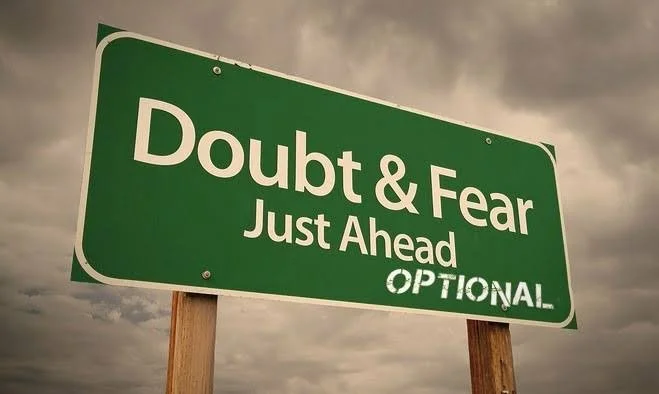
In a conversation this weekend with a former colleague, I was reminded of an important personal leadership principle.
Your years of education, work experience, relationship building, and roles served have prepared you for what’s next in your career trajectory. You cannot hold back from giving your best in your current role as the opportune moment for advancement or change may be today!
Whether you have planned for it or not, this may be the opportunity that collectively aligns with everything you have accomplished and know as the catalyst for where you will be next. What’s clear is that a personal belief in oneself’s abilities is the single biggest factor in career advancement. When you stop believing what’s possible, you stop yourself from moving forward.
Add to that, when you allow fear to enter into the conversation, you have invited in doubt which will prevent you from securing opportunities when they present themselves. Second-guessing not only is a complete waste of time, it also curtails your ascension to what you have been preparing for all these years.
The principle? Work hard, know your stuff, and believe in your abilities. Being right for the opportunity is all about your preparation and a mindset that holds no space for doubt or fear.
Waiting…

I am waiting on a text.
I am waiting on a call back.
I am waiting for a train.
I am waiting.
As a leader, there is planning to be accomplished, people to meet with, and goals waiting to be achieved. There are annoyances and value to be discovered in the waiting.
I am not a good waiter. I know this about myself. I like to see things accomplished, items checked off a list, and time not wasted in the process. The factor that I have no control over is the waiting for the engagement of others. The follow through that is imperative for the next steps to unfold, and the ease or difficulty at which it happens.
What I have learned, and still need reminding from time to time, is that the waiting is part of the process. It is the element that gathers anticipation and one that keeps me engaged in the work. It is the one element that I can count on as a factor in every project and in every business decision. It is the space that allows me time to think, change my mind, or strengthen my position or plan. It is the thin margin between missteps, mistakes, or mishandling of a situation, project, or critical activity.
Waiting is the necessary step on the ladder to accomplishing greatness at any level of achievement. It is the touchstone for doing what is best for people on your team. It is the active encounter between pulling the trigger and hitting the mark. It is the ability to see the waiting as a break between doing it well and doing it with smart execution and attention to all the details. Waiting is the secret ingredient to you getting your way and not being blindsided by factors that you didn’t consider early on.
Waiting is not weeks or months on end. Waiting is calculated, curated, and curtailed by a leader’s engagement and thoughtful prodding of individuals and teams to ensure progress. Waiting is neither the priority nor the goal. Waiting is a process to allow you the time you require to achieve what is best for your team, organization, while fulfilling your obligation to lead well.